USER CHECKS
A quick look catches most
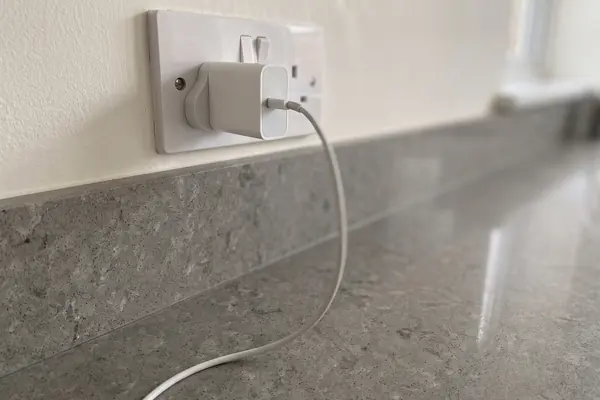
HSE says most electrical safety defects can be found by visual examination, so a brief user check is a useful part of any routine.
Check an item christiantechclubs
WHAT THE GUIDANCE SAYS
Most electrical defects can be seen.
Check an item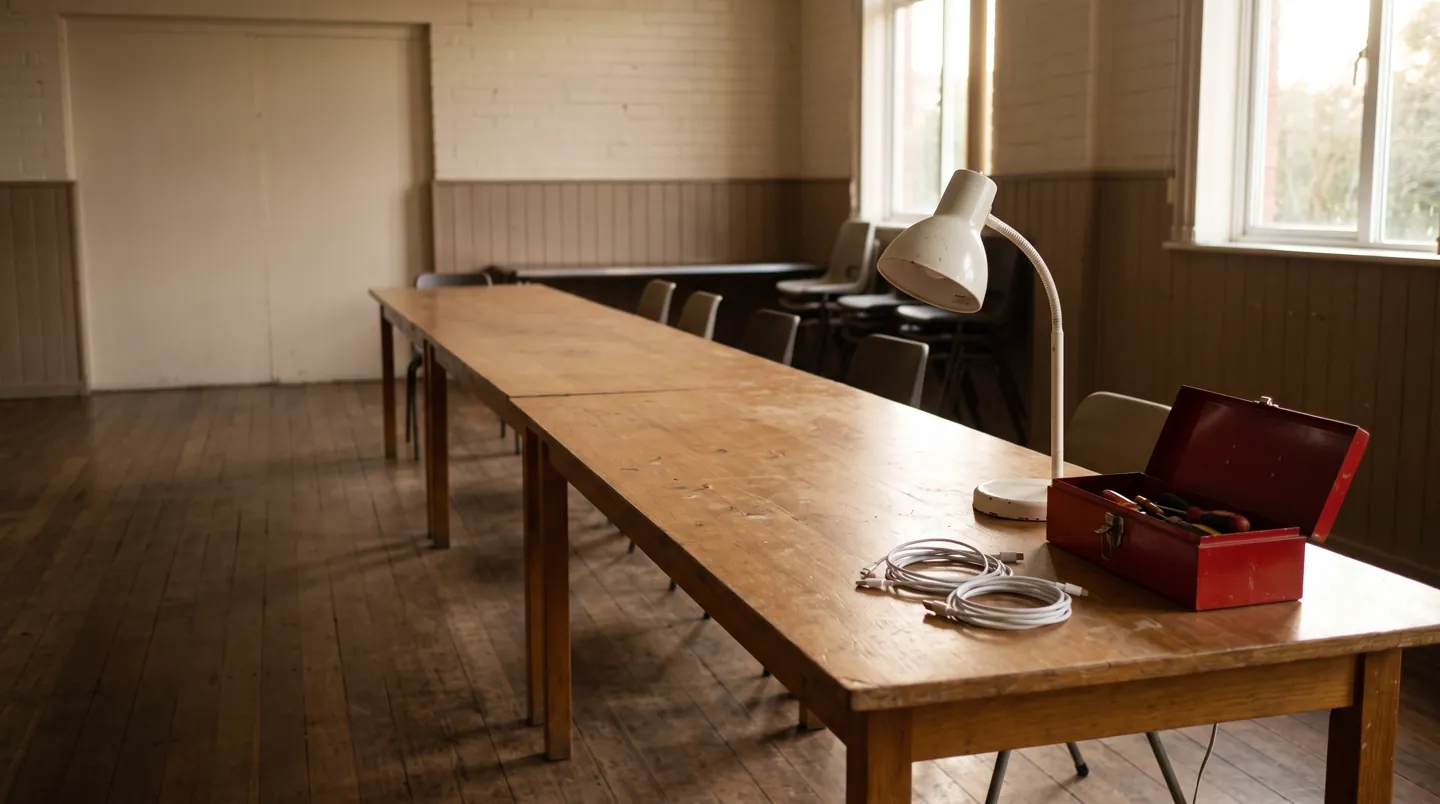
LOOK, THENplug in
Tech help drop-ins fill a hall with chargers, extension leads and tired laptops. HSE says a quick look at plugs and cables catches most problems, and fire services add simple rules for lithium batteries.
At a glance
1–2 years
Suggested test interval for an earthed kettle in a low-risk setting
HSE's table suggests this as a starting point. Results of checks over time may show you need to test more or less often.
PAT · HSE
32kg
Yearly battery sales that oblige a shop to take old ones back
Supermarkets and large retailers selling more than 32kg of batteries a year must provide battery recycling bins, says Mid and West Wales Fire and Rescue Service.
BATTERY BINS · FIRE SERVICE
TWO NUMBERS WORTH KNOWING
One interval from HSE,
one rule about battery collection points.
HSE says new equipment should be supplied safe and not need a formal test, though a simple visual check is still recommended.
CHECK AN ITEM
Pick an item. The bar shows how much checking HSE's suggested intervals and fire service advice point to.
Based on HSE INDG236, Maintaining portable electric equipment in low-risk environments, and Mid and West Wales Fire and Rescue Service advice. Not legal advice.
THE SHORT ANSWER
HSE guidance on low-risk places such as offices and shops
gives a sensible model for a community hall.
USER CHECKS
HSE says most electrical safety defects can be found by visual examination, so a brief user check is a useful part of any routine.
Check an itemTHE MYTH
The Electricity at Work Regulations 1989 require equipment to be kept safe, but do not require annual testing, labels or records.
See the numbersBATTERIES
Fire services advise charging on a hard, flat, non-flammable surface, unplugging when full and never covering a device while it charges.
Habits to try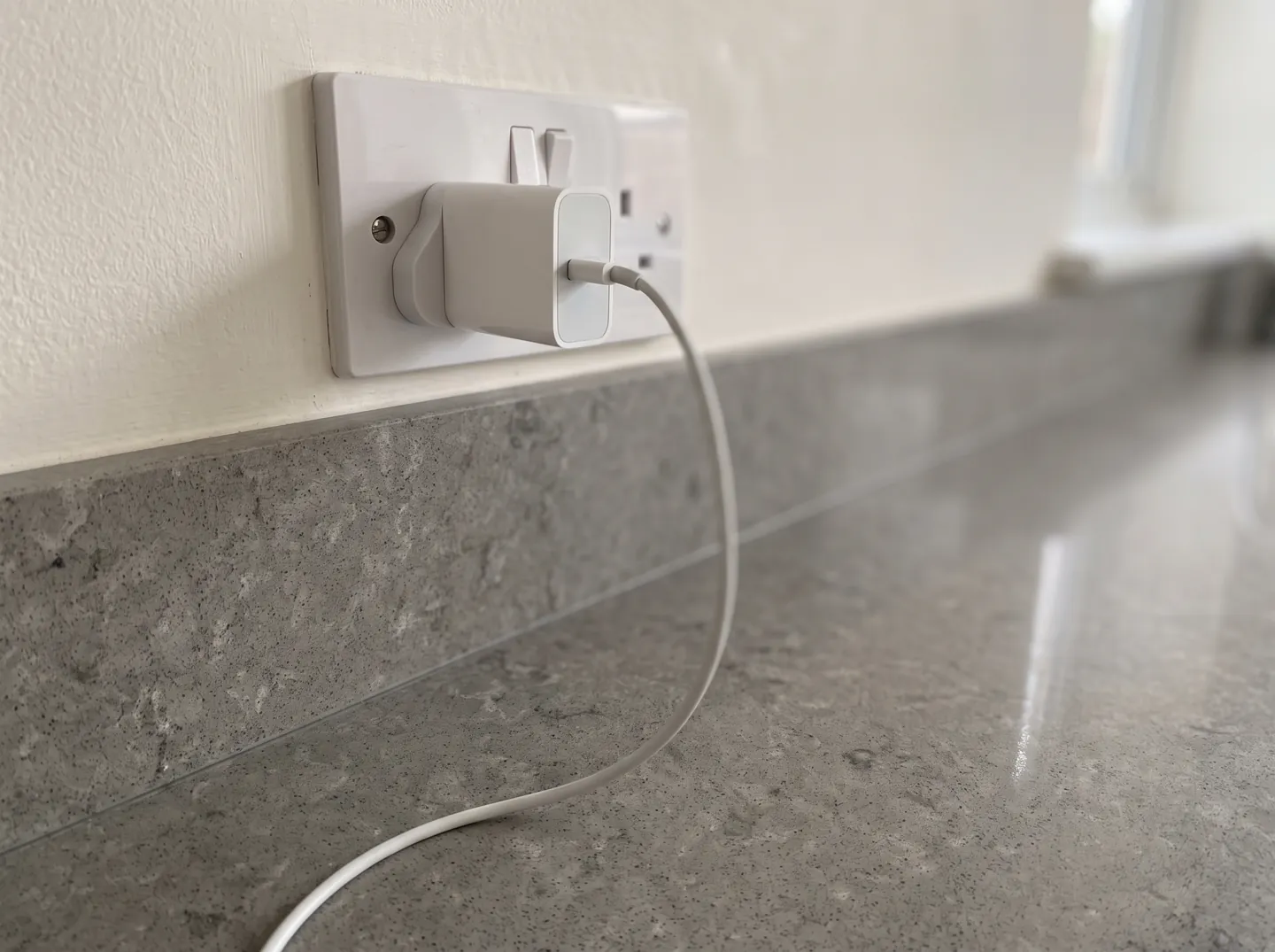
FOUR HABITS FOR A DROP-IN
These come from HSE guidance and fire and rescue service advice.
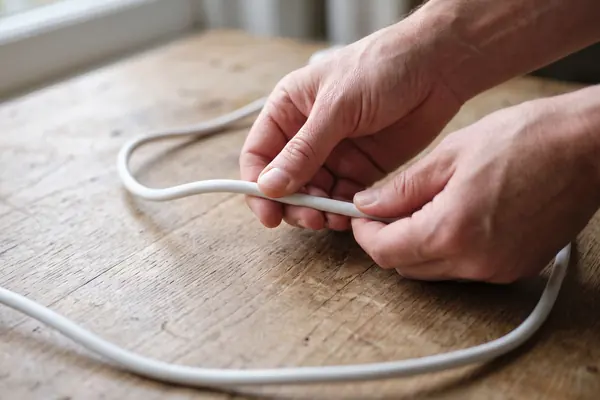
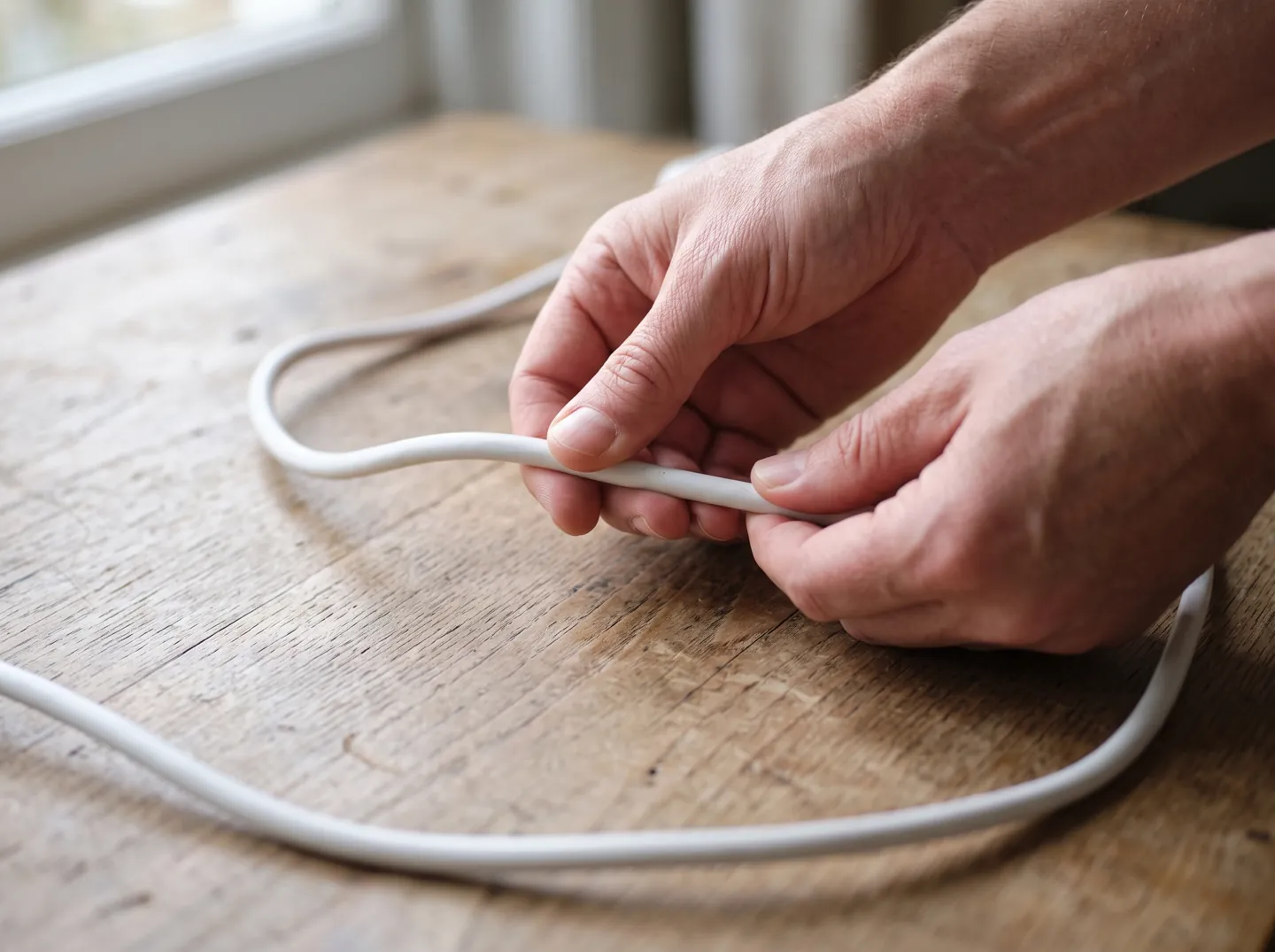
Check for fraying, cuts, taped joins, coloured wires showing at the plug, bent pins and burn marks or staining.
HSE says damaged or faulty equipment should be recognised and removed from use.
Use the charger that came with a device or a genuine replacement from a trusted supplier, and unplug once full.
Before recycling lithium batteries, tape over the terminals with electrical tape and keep them apart from other battery types.
WHO CAN CHECK
HSE says that in many low-risk settings a sensible person with enough knowledge and training can do visual inspections. Combined inspection and testing needs the right equipment and the ability to use it and understand the results.
Mobile phone chargers plugged into the mains count as portable appliances in HSE's guidance, but the phones themselves and other battery-powered devices do not.
Questions
No. HSE says the Electricity at Work Regulations 1989 require equipment to be kept safe but do not make testing, or annual testing, a legal requirement.
There is no legal requirement to label equipment or keep records, HSE says, though labels and records can be a useful way to show a scheme exists.
HSE says Class II equipment does not need a portable appliance test, but user checks and visual inspections still matter because the casing is a key safety feature.
Stop using it. Fire service advice is never to bin lithium batteries; take them to a battery collection point or treat devices with built-in batteries as electrical waste.
Fire services advise charging in a visible place on a hard, non-flammable surface, away from escape routes, and unplugging when the battery is full.
Sources
ABOUT THIS NAME
christiantechclubs.com is part of the DoodleSale portfolio. It isn't in an auction right now, but you can ask about leasing it.